Galaxy XR Reaches the UK, Giving Android XR Its First Consumer Test Beyond the US and Korea
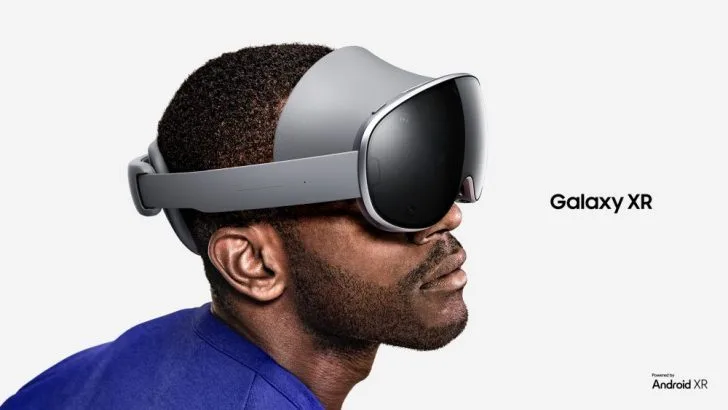
Samsung has begun selling Galaxy XR in the United Kingdom, bringing the first headset built for the Android XR platform to another major consumer market. The UK launch is more than a regional retail update: it is an early test of whether the Android XR proposition can make sense outside a launch announcement and inside everyday work, entertainment and device-management workflows.
Samsung lists Galaxy XR at £1,699 in the UK. Early buyers are being offered an Explorer Pack that bundles time-limited subscriptions and software, including Google AI Pro, YouTube Premium, Google Play Pass, Calm Premium, Adobe's Project Pulsar, NFL PRO ERA and the immersive experience ASTEROID. Those additions matter because a new headset category needs useful things to do on day one, not just an impressive specification sheet.
The device is built on Android XR, the platform developed by Samsung, Google and Qualcomm. Samsung positions the hardware around voice, gesture and vision-based interaction, along with immersive applications for productivity, entertainment and communication. Its hardware includes a 4K Micro-OLED display and Qualcomm's Snapdragon XR2+ Gen 2 platform, according to the company's announcement.
For organisations, the more consequential part of the update may be Android Enterprise support. Samsung says Galaxy XR can be deployed and managed with established Android management frameworks, including managed app distribution and device enrolment. That puts the headset in a conversation familiar to IT teams: not just whether a device is compelling in a demo, but whether it can be provisioned, secured and supported at scale.
That distinction is important for extended reality. Consumer adoption can build awareness, but enterprise pilots in training, design review, remote collaboration and visualisation have often provided the clearest route to repeatable XR spending. A headset that fits existing device-management practices has a lower operational barrier than one that requires a separate, bespoke fleet-management process.
The UK launch does not settle whether spatial computing has reached a mass market. The price remains firmly premium, battery life and comfort continue to shape real-world use, and software availability will determine whether owners return after the first week. But it makes the Android XR ecosystem more concrete. Samsung is no longer only describing an open platform; it is selling a device, adding software capabilities and extending access across markets.
The next measure will be whether developers and businesses treat Android XR as a durable target rather than a one-off launch window. If they do, Galaxy XR's value may lie less in a single headset and more in establishing another viable route for spatial applications beyond closed hardware ecosystems.
Source: Official newsroom.
Comments
Be the first to join the conversation.